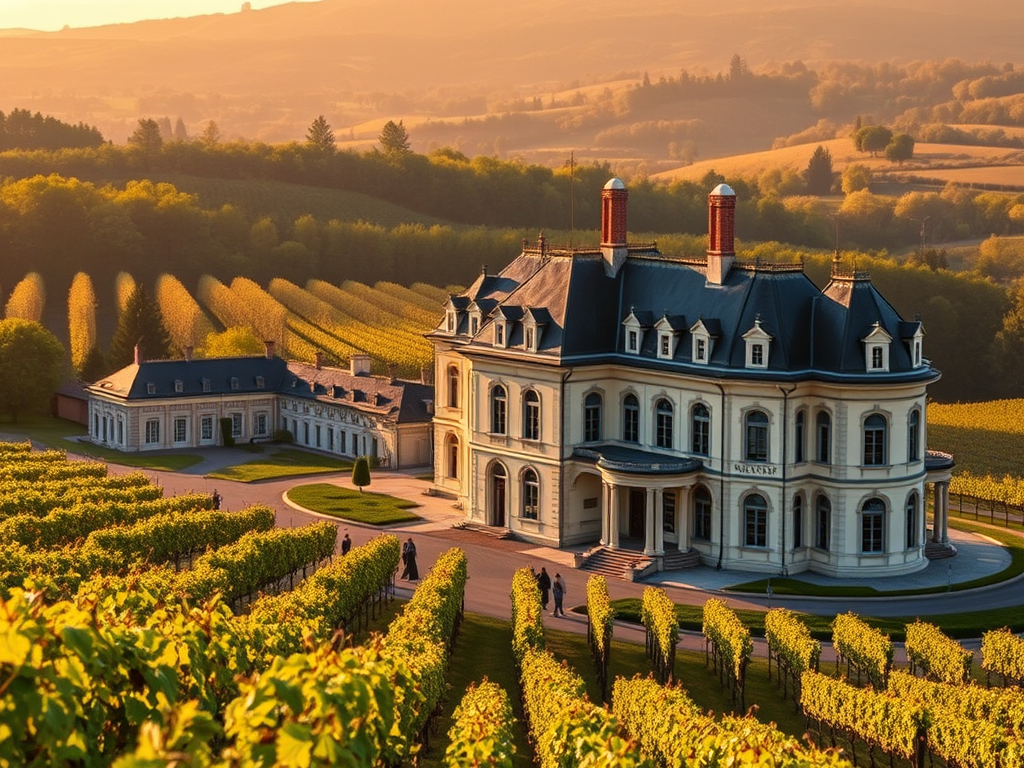
# Investing in Château Haut-Brion: An Eternal Symbol of History and Quality
**Château Haut-Brion**, one of the five First Growths of Bordeaux, is a legendary representative in the world of red wine. As one of the oldest and most historically significant estates on the Left Bank of Bordeaux, Haut-Brion stands out for its exceptional quality, rich history, and stable market performance, making it a top choice for high-end wine investors. This article will comprehensively analyze the investment value of Château Haut-Brion, covering its return performance, investment costs, risks, and practical investment guidelines to help you seek stable wealth growth in the wine market.
—
## 1. Investment Value
1. **Historical Status and Brand Value** – Château Haut-Brion is located in the Pessac-Léognan region of Bordeaux and is the only First Growth not situated in the Médoc region. – The estate’s history dates back to 1525, making it one of the earliest vineyards in Bordeaux and a founding member of the 1855 Bordeaux classification. – Haut-Brion is renowned among wine enthusiasts for its unique style and outstanding quality, often referred to as “a work of art from Bordeaux.”
2. **Scarcity and Market Demand** – Haut-Brion produces only about 10,000-12,000 cases annually, far less than other First Growths like Lafite or Margaux, significantly enhancing its collectibility. – Demand for Haut-Brion in the Asian market continues to grow, with the brand particularly favored by high-end wine collectors in China.
3. **Exceptional Quality and Unique Style** – Haut-Brion’s red wines are known for their rich black fruit aromas, robust structure, and silky mouthfeel, with exceptional aging potential. – Haut-Brion also produces high-quality white wine (Château Haut-Brion Blanc), one of the few white wines that hold investment value comparable to red wines.
4. **Cultural and Luxury Symbol** – Haut-Brion is synonymous with high prices and luxury in auction houses and fine dining establishments worldwide. It is not just a wine; it represents a lifestyle and identity.
—
## 2. Investment Returns: Market Performance Over the Past Decade
Château Haut-Brion has shown steady growth in market performance, especially for top vintages, which are consistently popular among collectors and investors. Here are some return data for representative vintages:
1. **Haut-Brion 2000 Vintage** – **Price in 2013**: Approximately £1,200 (about $1,560). – **Price in 2023**: Approximately £3,800 (about $4,940). – **Ten-Year Return**: 217%.
2. **Haut-Brion 1989 Vintage** – **Price in 2013**: Approximately £2,500 (about $3,250). – **Price in 2023**: Approximately £7,500 (about $9,750). – **Ten-Year Return**: 200%.
3. **Haut-Brion 2010 Vintage** – **Price in 2013**: Approximately £900 (about $1,170). – **Price in 2023**: Approximately £2,800 (about $3,640). – **Ten-Year Return**: 211%.
4. **Overall Performance** – According to the **Liv-ex Fine Wine 100 Index**, Haut-Brion has maintained an annualized return rate of 8%-12%, and its price volatility is low, making it a stable investment choice in the wine market.
—
## 3. Investment Costs
1. **Entry-Level Vintages** – **Price Range**: £300-£800 (about $400-$1,050) per bottle. – **Representative Years**: Ordinary vintages such as 2014, 2017.
2. **Mid- to High-End Vintages** – **Price Range**: £1,000-£3,000 (about $1,300-$3,900) per bottle. – **Representative Years**: Quality vintages such as 2005, 2009, 2010.
3. **Top Vintages** – **Price Range**: £5,000-£15,000 (about $6,500-$20,000) per bottle. – **Representative Years**: Classic vintages such as 1989, 2000, 1961.
4. **Other Costs** – **Storage Fees**: Approximately £10-£30 (about $13-$40) per bottle per year for professional cellar storage. – **Insurance Costs**: Approximately 0.5%-1% of wine value per year. – **Transaction Fees**: Auction house or trading platform fees of about 10%-20%.
—
## 4. Investment Risks
1. **Market Volatility** – Although Haut-Brion has stable long-term performance, short-term price fluctuations may occur due to market demand and economic cycles.
2. **Vintage Risk** – Ordinary vintages have limited appreciation potential, while top vintages offer higher returns but come with higher purchasing costs.
3. **Counterfeit Risk** – Haut-Brion, being a high-end wine, is often targeted by counterfeiters, so careful selection of purchase channels and knowledge of authenticity are crucial.
4. **Storage Risk** – Improper storage can lead to deterioration of wine quality or damage to labels, directly affecting investment value.
5. **Liquidity Risk** – Certain vintages of Haut-Brion may have low market demand in the short term, impacting liquidity.
4. **Private Collection Transactions** – Transactions through wine clubs or private collectors, but authenticity verification is essential.
—
## 6. Storage and Preservation Methods
1. **Professional Storage Conditions** – **Temperature**: Constant temperature of 12℃-15℃. – **Humidity**: About 70%, to prevent cork drying or label moisture. – **Environment**: Avoid direct sunlight, vibrations, and odor exposure.
2. **Professional Cellar Storage** – Use professional cellar services (like **Octavian Vaults**) to ensure the safety and quality of the wine.
3. **Insurance and Record Keeping** – Insure high-value wines and keep purchase receipts, storage records, and transaction documents.
—
## 7. Value Assessment Factors
1. **Vintages** – Top vintages (like 1989, 2000, 2010) have greater appreciation potential.
2. **Bottle Size** – Larger bottles (like Magnum, Jeroboam) are often more valuable due to scarcity and better aging potential.
3. **Condition and Storage** – Wines in pristine condition with no quality loss are more attractive for investment.
4. **Market Demand** – The demand for Haut-Brion in the Asian market is a significant driver of its price.
5. **Reputation of the Winery** – Haut-Brion’s brand value and market reputation are crucial for price stability.
—
## 8. Authenticity Verification Methods
1. **Check the Label** – Haut-Brion labels should be finely printed, with clear and legible text, and year markings should match official images to avoid errors.
2. **Laser Etching on the Bottle** – Since the 1996 vintage, bottles have unique laser etchings that can be verified through official channels.
3. **Seal and Cork** – Seals should show no signs of tampering, and the cork should have the vintage and winery name clearly printed.
4. **Professional Appraisal** – For high-value vintages, seeking help from professional appraisal organizations is advised to ensure authenticity.
—
## 9. Investment Steps
1. **Market Research** – Understand the historical price trends of Haut-Brion and the market demand for popular vintages.
2. **Select Vintages** – Choose vintages with appreciation potential according to budget.
3. **Choose Purchase Channels** – Prioritize reputable auction houses or trading platforms to ensure transaction safety.
4. **Proper Storage** – Use professional cellar storage and regularly check the condition of the wine.
5. **Regular Assessment and Sale** – Choose the right time to sell as market conditions change to realize returns.
—
## 10. Related Costs
1. **Purchase Costs** – Entry-level vintages from £300, top vintages up to £15,000 or more.
2. **Storage Costs** – £10-£30 per bottle per year.
3. **Insurance Costs** – Approximately 0.5%-1% of wine value per year.
4. **Transaction Costs** – Auction house or trading platform fees of about 10%-20%.
5. **Appraisal Costs** – Approximately £100-£300 per appraisal.
—
## 11. Conclusion
Château Haut-Brion, with its rich history, exceptional quality, and stable market performance, is an ideal choice for wine investors. Its scarcity and growing demand ensure steady appreciation in the high-end wine market. By selecting the right vintages, managing storage properly, and planning transactions carefully, you can achieve robust wealth growth through this classic red wine.
Here are some noteworthy investment vintages of **Château Haut-Brion** and the reasons for their value, considering aspects such as quality, rarity, historical significance, and market performance. These vintages not only provide an exceptional drinking experience but also hold high collectible and investment value.
—
## **1. Château Haut-Brion 1989** ### **Reason: A Historic Classic Vintage** – **Quality**: Rated as one of the greatest vintages of the 20th century, Haut-Brion 1989 is a pinnacle creation of the estate, featuring rich aromas of blackcurrant, tobacco, chocolate, and earth, with a full body and delicate structure, showcasing immense aging potential. – **Rating**: Robert Parker awarded it a perfect score of 100, calling it “a great Bordeaux that transcends time.” – **Market Value**: – **Price Performance**: Significant price growth over ten years, from approximately £2,500 per bottle in 2013 to around £7,500 per bottle in 2023, yielding a return of about 200%. – **Rarity**: The stock of this vintage is gradually depleting as it is consumed. – **Investment Potential**: Even at high prices, the 1989 vintage is considered a long-term investment choice due to its historical significance and rarity supporting continued price increases.
—
## **2. Château Haut-Brion 1961** ### **Reason: A Rare Gem Among Classic Vintages** – **Quality**: 1961 is one of the most renowned vintages in Bordeaux history, with Haut-Brion’s wine from this year showing remarkable elegance, revealing deep blackberry, leather, and truffle flavors as it ages. – **Rating**: Frequently rated above 90 by international connoisseurs, deemed a “classic among classics.” – **Market Value**: – **Price Performance**: The market value of this old vintage remains stable and continues to rise, exceeding £10,000 per bottle in 2023. – **Auction Highlights**: The 1961 vintage often becomes a focal point at auctions, with record-breaking sale prices. – **Investment Potential**: Its high rarity and historical value make it a dream choice for high-end collectors.
—
## **3. Château Haut-Brion 2000** ### **Reason: A Special Vintage of the Millennium** – **Quality**: The year 2000 is noted for its excellence in Bordeaux, with Haut-Brion’s wine showcasing a firm structure, rich fruit, smooth tannins, and exceptional aging potential. – **Rating**: Robert Parker rated it 98, describing it as “a perfect blend of elegance and power.” – **Market Value**: – **Price Performance**: The collectible value of the millennium vintage has steadily increased, from about £1,200 per bottle in 2013 to £3,800 per bottle in 2023, with a ten-year return exceeding 200%. – **Investment Hotspot**: The millennium vintage attracts a large number of investors and collectors due to its special significance. – **Investment Potential**: As time goes on, the rarity of the 2000 vintage will further enhance its investment value.
—
## **4. Château Haut-Brion 2010** ### **Reason: A Modern Classic Vintage** – **Quality**: 2010 is one of the greatest modern vintages in Bordeaux history, with Haut-Brion’s wine displaying rich black fruit, tobacco, and graphite flavors, tight structure, balanced acidity, and excellent aging potential. – **Rating**: Robert Parker awarded it a high rating of 99, calling it “a work of art.” – **Market Value**: – **Price Performance**: Rising from approximately £900 per bottle in 2013 to about £2,800 per bottle in 2023, with a ten-year return of around 211%. – **Investment Potential**: The 2010 vintage has significant appreciation potential due to its outstanding quality and rarity. – **Drinking Recommendation**: While it hasn’t reached its peak yet, the 2010 vintage is already enjoyable and suitable for further aging.
—
## **5. Château Haut-Brion 2005** ### **Reason: A Great Vintage of Bordeaux** – **Quality**: 2005 is one of the classic vintages in Bordeaux, with Haut-Brion showcasing deep fruit flavors, strong minerality, and smooth tannins, possessing exceptional aging potential. – **Rating**: Robert Parker rated it 100, describing it as “a feast for the senses.” – **Market Value**: – **Price Performance**: The price of the 2005 vintage has seen stable growth, currently around £3,000 per bottle. – **Rarity**: Market demand for the 2005 vintage is high, with dwindling stock. – **Investment Potential**: Whether for long-term collection or short-term investment, the 2005 vintage offers tremendous value.
—
## **6. Château Haut-Brion 2015** ### **Reason: A Top Vintage of the New Generation** – **Quality**: 2015 is one of the great vintages of the Left Bank, with Haut-Brion’s wine revealing rich black cherry, tobacco, and spice aromas, perfect structure, and delicate tannins. – **Rating**: Robert Parker rated it 98, with potential to reach a perfect score in the future. – **Market Value**: – **Price Performance**: Currently priced around £1,000 per bottle, with expected further increases as it ages. – **Investment Potential**: As a representative of the new generation, the 2015 vintage has attracted many young collectors and investors. – **Drinking Recommendation**: Still in its early aging phase, it is suitable for long-term holding.
—
## **7. Château Haut-Brion 1990** ### **Reason: A Continuation of Classic Vintages** – **Quality**: 1990 is another excellent vintage in Bordeaux, with Haut-Brion’s wine exhibiting rich blackberry and spice flavors, full-bodied and layered. – **Rating**: Robert Parker rated it 98, calling it “glamorous and highly charismatic.” – **Market Value**: – **Price Performance**: Market value in 2023 is around £5,000 per bottle, with stable investment returns. – **Rarity**: Market supply is rapidly decreasing as consumption increases. – **Investment Potential**: Highly regarded in the auction market, the 1990 vintage is suitable for long-term holding.
—
## **8. Château Haut-Brion Blanc (White Wine)** ### **Reason: One of the Few Whites Comparable to Red Wine** – **Quality**: Haut-Brion Blanc is one of Bordeaux’s top white wines, produced in extremely limited quantities, around 800 cases per year. This wine features citrus, honey, and mineral flavors, revealing stunning complexity with age. – **Market Value**: – **Price Performance**: Top vintages (like 2010, 2015) exceed £3,000 per bottle. – **Rarity**: The production of white wine is far lower than that of red wine, yet market demand continues to rise. – **Investment Potential**: The rarity and exceptional quality of Haut-Brion Blanc make it an alternative choice for high-end investors.
—
## **Summary and Recommendations**
The aforementioned vintages of **Château Haut-Brion** all exhibit exceptional quality and stable market performance, suitable for various types of investors:
– **Long-term Investors**: Consider historic vintages like 1989, 1961, and 2000, which hold excellent collectible value. – **Stable Appreciation Investors**: Opt for modern classic vintages like 2005, 2010, and 2015, which still have significant upside potential. – **Diverse Collectors**: Consider investing in Haut-Brion Blanc to further balance your investment portfolio.
By selecting suitable vintages and storing them properly, you can achieve steady wealth growth through Haut-Brion wines!