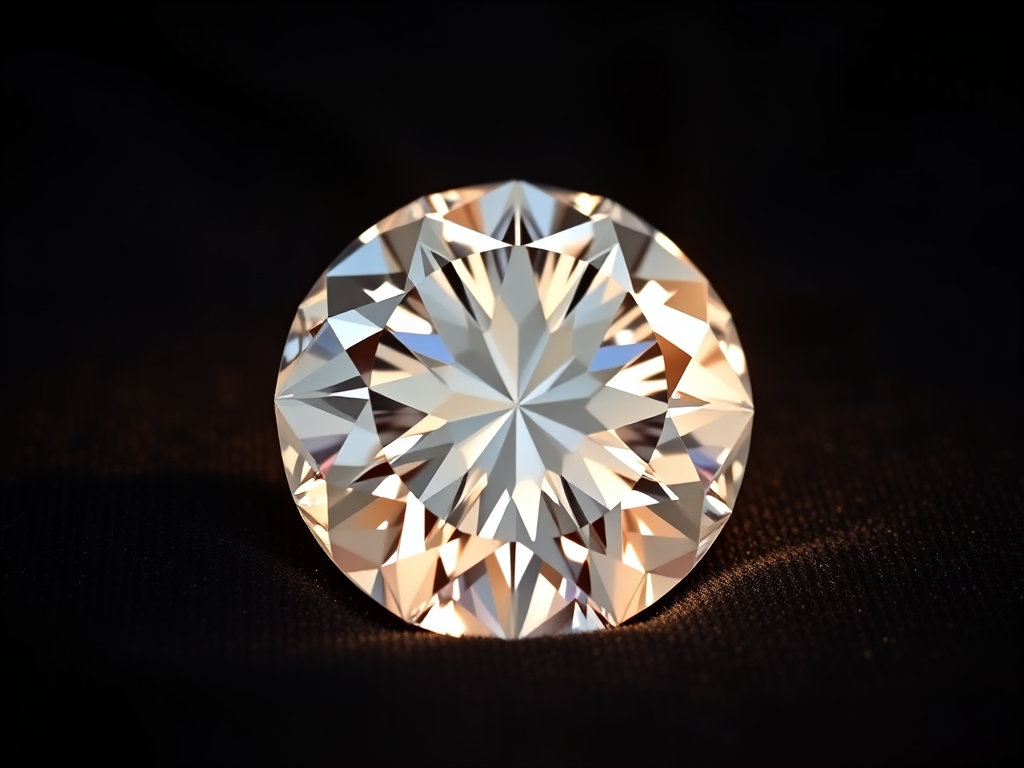
# Investing in D-F Color White Diamonds: The Brilliant Potential of High-Value Assets
Diamonds, as symbols of eternity, have long been favored by collectors and investors. Among the various types of diamonds, **D-F color white diamonds (over 1 carat)** are popular choices in the jewelry investment market due to their pure color grading and rarity. These diamonds not only possess immense aesthetic value but also demonstrate exceptional investment potential due to their scarcity and stable market demand.
This article will comprehensively analyze the investment value of D-F color white diamonds, including investment returns, costs, risks, channels, identification methods, and legal regulations, helping investors gain a deeper understanding of this asset’s characteristics and potential earnings.
—
## **1. Investment Value of D-F Color White Diamonds**
### **1. Scarcity and High Demand** D-F color white diamonds are regarded as “top-tier white diamonds” in the industry. According to the international diamond grading organization **GIA (Gemological Institute of America)**, the D color is the highest grade for colorless diamonds, followed by E and F, which are also classified as “colorless range.” Due to their rarity and purity, there is high market demand for these diamonds, especially in the high-end jewelry market and investment collection sector. – **D-F color** diamonds account for less than **2%** of global diamond production, making them extremely scarce. – D-F color white diamonds with high clarity and superior cut are particularly prized, with prices steadily increasing.
### **2. Value Retention and Hedging Function** – Diamonds naturally possess anti-inflation properties, serving as a hedging tool for assets. – Compared to other investment options (such as stocks and real estate), high-quality diamonds exhibit lower price volatility, making them suitable for long-term stable capital allocation.
### **3. Aesthetic and Practicality** – As high-end jewelry, D-F color white diamonds combine investment value with wearability, offering unique appeal whether as wedding rings, collectibles, or heirlooms. – They are not only assets but also symbols of identity and taste.
—
## **2. Investment Returns: Market Performance Over the Past Decade**
### **1. Market Price Trends** According to international diamond trading data, the prices of D-F color white diamonds (over 1 carat) have steadily increased over the past decade, particularly for diamonds with high clarity (such as IF, VVS) and excellent cut grades, which have shown significant appreciation. – **1-carat D color IF diamond**: average annual growth rate of **3%-5%** over the past decade. – **2-carat and above premium diamonds**: average annual growth rate of **5%-7%**, with some rare pieces even exceeding **10%**.
### **2. High-End Market Demand** – In emerging markets such as Asia and the Middle East, demand for high-end white diamonds is rapidly increasing. Notably, the wealthy classes in places like China and India continue to show growing demand for D-F color white diamonds. – Recent years have seen auction houses (like Sotheby’s and Christie’s) repeatedly breaking records for high-quality diamond sales, indicating strong market interest in scarce assets.
### **3. Comparison with Other Assets** Compared to gold, D-F color white diamonds exhibit less price volatility and are less affected by macroeconomic fluctuations. They also demonstrate stronger risk resistance compared to the stock market, making them particularly suitable for conservative investors.
—
## **3. Investment Costs**
### **1. Purchase Price Range** – **1-carat D color IF diamond (Excellent cut)**: priced around **$18,000-$30,000**. – **2-carat D color IF diamond (Excellent cut)**: priced around **$80,000-$120,000**. – **3-carat D color IF diamond (Excellent cut)**: prices can reach **$200,000-$500,000**, or even higher.
### **2. Other Related Costs** – **Certification and Appraisal Fees**: When purchasing, ensure the diamond comes with a certification from an internationally recognized authority like GIA, with a one-time fee of around **$100-$500**. – **Insurance Costs**: approximately **0.5%-1%** of the diamond’s value annually. – **Storage and Maintenance Costs**: professional storage services cost about **$300-$1,000** per year.
—
## **4. Investment Risks**
### **1. Market Liquidity Risk** The buyer market for high-value diamonds is relatively limited, which may require considerable time to find a suitable buyer.
### **2. Counterfeit and Authenticity Risk** The market contains a significant number of fakes or treated diamonds (such as high-temperature high-pressure treated diamonds), requiring high levels of expertise from investors.
### **3. Price Volatility Risk** – Although D-F color white diamond prices are relatively stable, they may be affected by economic fluctuations, reduced demand, or alternative materials (like lab-grown diamonds). – The proliferation of lab-grown diamonds could depress the prices of natural diamonds.
### **4. Asset Preservation Risk** If not properly preserved, diamonds may sustain damage from wear or improper storage, affecting their value.
—
## **5. Investment Channels**
### **1. Luxury Jewelry Brands** – Purchasing high-end diamonds from brands like **Cartier**, **Tiffany & Co.**, and **Harry Winston** ensures quality and provenance, although the brand premium is higher.
### **2. Auction Houses** – Buying rare white diamonds through international auction houses like **Christie’s** or **Sotheby’s** is a primary choice for high-end investors. – Auction houses provide professional appraisal and provenance guarantees but charge about **10%-25%** in commission.
### **3. Diamond Exchanges** – International diamond exchanges (such as Antwerp in Belgium) serve as important channels for professional investors, allowing purchases of loose diamonds at lower prices, provided they have the expertise to identify them.
### **4. Online Platforms** – Online jewelry retailers (like **Blue Nile** and **James Allen**) offer GIA-certified loose diamonds with transparent pricing, but it’s essential to choose reputable websites cautiously.
—
## **6. Collection and Preservation Methods**
1. **Professional Storage Facilities** – Use bank safety deposit boxes or professional jewelry storage services to protect diamonds from damage or theft.
2. **Insurance** – Purchase specialized insurance for diamonds covering damage, theft, and natural disasters.
3. **Regular Inspections** – Periodically check the condition of diamonds (for any looseness or damage) to ensure their integrity.
—
## **7. Value Assessment Factors**
1. **4C Standards (Color, Clarity, Cut, Carat Weight)** – **Color:** D-F colorless diamonds have the highest value. – **Clarity:** IF (internally flawless) and VVS (very very slightly included) grades are more valuable. – **Cut:** Excellent cut is the best, significantly affecting the diamond’s brilliance. – **Carat Weight:** The larger the diamond, the higher the value, particularly for diamonds over 1 carat.
2. **Certification and Provenance** – Certificates from authoritative organizations like GIA and HRD are crucial for diamond value assurance.
3. **Market Demand** – Rare, large, high-quality diamonds are more sought after in the market.
—
## **8. Methods to Identify Authenticity**
1. **GIA Certificate** – Ensure the diamond comes with a GIA or other authoritative grading certificate, detailing the diamond’s 4C grades and other specifics.
2. **Magnified Inspection** – Use a 10x magnifying glass to check for natural inclusions in the diamond; treated diamonds usually lack natural internal features.
3. **Professional Instrument Testing** – Use diamond testing instruments to measure the diamond’s thermal conductivity or optical properties, ensuring it is a natural diamond.
—
## **9. Investment Steps**
1. **Learn Market Knowledge** – Understand the 4C standards, market prices, and investment trends for diamonds.
2. **Choose Purchase Channels** – Buy from reputable jewelers, auction houses, or diamond exchanges.
3. **Verify Authenticity and Provenance** – Ensure the diamond has a certificate from an authoritative organization.
4. **Purchase Insurance and Storage** – Insure the diamond and store it in professional facilities.
5. **Regular Evaluation and Value Preservation** – Periodically assess the diamond’s value and adjust investment strategies based on market demand.
—
## **10. Related Costs**
1. **Appraisal Fees**: Approximately **$100-$500** per diamond. 2. **Insurance Costs**: Annually around **0.5%-1%** of the diamond’s value. 3. **Transaction Commissions**: Auction house transactions incur approximately **10%-25%** in commission fees. 4. **Storage Costs**: Professional storage facilities cost about **$300-$1,000** annually.
—
## **11. Regulatory and Tax Considerations**
1. **Import and Export Regulations** – Some countries have specific regulations regarding diamond import/export (e.g., diamonds must comply with “Kimberley Process” certification).
2. **Capital Gains Tax** – When selling diamonds, capital gains taxes may apply based on local regulations.
3. **Estate and Gift Taxes** – Diamonds, as inheritable assets, may incur estate or gift tax obligations.
—
## **12. Conclusion**
D-F color white diamonds (over 1 carat) have become star assets in the jewelry investment market due to their scarcity and high value. They offer both value retention and appreciation potential while fulfilling the needs of collectors and wearers. For investors, choosing high-quality diamonds, ensuring authentic provenance, and proper preservation are key to achieving long-term returns. By thoroughly understanding market knowledge and taking careful investment steps, D-F color white diamonds can shine brightly in your investment portfolio.
# The Impact of Lab-Grown Diamonds on the Diamond Market
As lab-grown diamonds (LGDs) gradually enter the mainstream market, their emergence is having a profound effect on the natural diamond market. Below is a detailed analysis of how lab-grown diamonds are impacting the diamond market, including background, advantages, challenges, and their effects on natural diamond prices and the investment market.
—
## **1. Introduction to Lab-Grown Diamonds**
### **1. What are Lab-Grown Diamonds?** Lab-grown diamonds are created using advanced technological methods (such as High-Pressure High-Temperature (HPHT) or Chemical Vapor Deposition (CVD)) in a lab, possessing the same chemical, physical, and optical properties as natural diamonds. This means that lab-grown diamonds cannot be distinguished from natural diamonds by the naked eye or simple tests.
### **2. Differences from Natural Diamonds** – **Source**: Natural diamonds are formed deep within the Earth over millions of years; lab-grown diamonds can be produced in just a few weeks. – **Cost**: The production cost of lab-grown diamonds is significantly lower than that of natural diamonds, leading to prices that are usually **30%-70%** lower than natural diamonds. – **Environmental and Ethical Issues**: Lab-grown diamonds are seen as an “eco-friendly choice,” as they avoid the environmental damage and ethical controversies (such as blood diamonds) associated with natural diamond mining.
—
## **2. Impact of Lab-Grown Diamonds on the Market**
### **1. Pressure on Natural Diamond Prices** With the popularity of lab-grown diamonds, the natural diamond market, especially in the low to mid-range segment, has faced significant price pressures. – **Decline in Prices of Lower Carat Diamonds**: The market share of lab-grown diamonds in the sub-1-carat segment is rapidly increasing, leading to a drop in prices for small natural diamonds (such as 0.5-carat and 0.75-carat). – **Limited Impact on High-End Diamonds**: Top-tier natural diamonds (D-F color, IF clarity, over 3 carats) are less affected due to their scarcity and strong investment attributes, maintaining stable market demand.
### **2. Restructuring of the Mid-Range Market** The cost advantages and price transparency of lab-grown diamonds have made them popular choices in the wedding ring market, particularly for budget-conscious younger consumers. This is reshaping the traditional diamond retail market: – **Preferences of Younger Consumers**: Market surveys indicate that millennials and Gen Z are more price-sensitive and environmentally conscious, making them more likely to accept lab-grown diamonds as wedding ring options. – **Brand Adaptation**: Many mainstream jewelry brands (such as Tiffany & Co. and De Beers) have begun to launch product lines featuring lab-grown diamonds to meet market demand.
### **3. Limited Impact on the Auction Market** High-end auction houses (such as Sotheby’s and Christie’s) continue to focus on rare natural diamonds. The rise of lab-grown diamonds has minimal impact on this market, as collectors and investors prefer natural diamonds with historical significance and extreme rarity.
—
## **3. Advantages and Challenges of Lab-Grown Diamonds**
### **1. Advantages of Lab-Grown Diamonds** – **Price Advantage**: Lab-grown diamonds are generally **30%-70%** cheaper than natural diamonds, making them attractive to price-sensitive buyers. – **Environmental and Ethical Advantage**: As they do not involve earth extraction, lab-grown diamonds are considered more environmentally friendly and avoid the ethical issues associated with blood diamonds. – **Quality Consistency**: Lab-grown diamonds consistently perform well on the 4C scale (Color, Clarity, Cut, Carat Weight) and can easily produce high-clarity and high-color-grade diamonds.
### **2. Challenges of Lab-Grown Diamonds** – **Lack of Scarcity**: Unlike natural diamonds, the supply of lab-grown diamonds is virtually unlimited, making them less appealing as an investment. – **Price Depreciation Risk**: Due to continual technological advancements, the prices of lab-grown diamonds are on a downward trend, limiting their value retention post-purchase. – **Market Acceptance**: While younger consumers are increasingly accepting lab-grown diamonds, some buyers still prefer natural diamonds for their inherent rarity and traditional significance.
—
## **4. Insights for Investing in Natural Diamonds**
### **1. Focus on the High-End Market** Lab-grown diamonds primarily impact the low to mid-range market, while high-end natural diamonds (such as D-F color, IF clarity, large carat diamonds) remain important investment targets due to their scarcity and collectible value. Investors should focus on: – **Natural diamonds over 3 carats**. – **Rare color diamonds (Fancy Color Diamonds)**, such as pink and blue diamonds, whose values are less affected by lab-grown diamonds. – **Historical or celebrity auction diamonds**, which possess cultural value and historical significance that are better suited for long-term collection and investment.
### **2. Consider Market Changes** The rise of lab-grown diamonds may lead to a reshaping of the natural diamond market, requiring investors to be more cautious in selecting natural diamonds to ensure they have long-term appreciation potential.
### **3. Emphasis on Brand Value of Natural Diamonds** As consumer demand for transparency in sourcing increases, natural diamonds with brand certifications and complete traceability will be more favored in the market. For example, De Beers’ natural diamond traceability service adds greater value assurance to their products.
—
## **5. Market Outlook for Lab-Grown Diamonds**
### **1. Growth Potential** According to a report by **Bain & Company**, the lab-grown diamond market is growing at an annual rate of **15%-20%**, expected to reach **10%-15%** of the natural diamond market by 2030. This indicates that lab-grown diamonds have become a market force that cannot be ignored.
### **2. Price Trends for Lab-Grown Diamonds** Due to technological advancements and increased production capacity, prices for lab-grown diamonds will continue to decline, potentially expanding their market share but also exacerbating their depreciation risk as investment assets.
### **3. Polarization of the Consumer Market** In the future, the diamond market may exhibit clear polarization: – Younger consumers and budget-conscious buyers will opt for lab-grown diamonds. – Wealthy individuals and collectors will continue to favor natural diamonds with rarity and cultural value.
—
## **6. Conclusion**
The emergence of lab-grown diamonds is reshaping the landscape of the diamond market. From an investment perspective, while lab-grown diamonds may not be suitable as long-term investment assets, their influence on the natural diamond market is significant. For investors, the focus should remain on high-end, rare, and culturally valuable natural diamonds while closely monitoring market dynamics to adjust investment strategies accordingly. In the competition between natural and lab-grown diamonds, opportunities and challenges coexist, and success hinges on a deep understanding of the market and precise judgment.