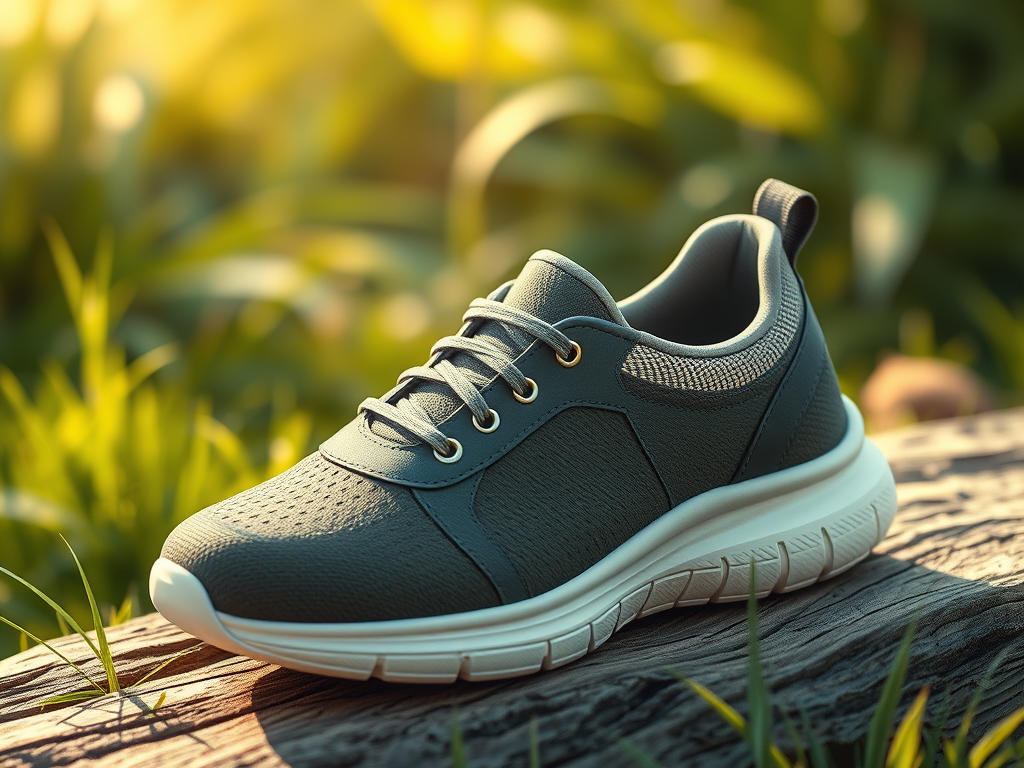
### Brand Plan for “EcoStride” – Sustainable Footwear
#### 1. Target Market of This Brand
EcoStride targets environmentally conscious consumers aged 18-35 in the U.S. market, specifically those who prioritize sustainability in their purchasing decisions and are active in urban and suburban areas.
#### 2. Clarify the Brand’s Unique Selling Point (USP)
EcoStride’s USP is its commitment to sustainability without compromising on style or comfort. Each pair of shoes is made from 100% recycled materials and is designed to be recyclable at the end of its life cycle.
#### 3. List the Core Values and Beliefs the Brand Stands For
– Sustainability: Committed to using environmentally friendly materials and processes.
– Innovation: Continuously improving product design and materials to reduce environmental impact.
– Comfort: Ensuring that sustainable choices do not compromise on foot comfort and style.
– Transparency: Openly sharing our supply chain and material sourcing with consumers.
#### 4. Design Brand Logo, Colour Scheme, Fonts, and Other Visual Elements
– **Logo**: A stylized footprint made from interconnected leaves, symbolizing our connection to nature.
– **Color Scheme**: Earthy tones such as green (#4CAF50), brown (#795548), and cream (#F5F5F5) to reflect our commitment to the environment.
– **Fonts**: Use of modern sans-serif fonts like Helvetica for a clean, contemporary look.
– **Other Visual Elements**: Use of natural textures and patterns in marketing materials, such as wood grain and leaf prints.
#### 5. Brand’s Slogan
“Step Lightly, Live Fully”
#### 6. Develop Strategies to Promote the Brand
– **Social Media**: Utilize platforms like Instagram and TikTok to showcase product sustainability and engage with younger audiences through eco-challenges and influencer partnerships.
– **Marketing Campaigns**: Launch a “Walk for a Cause” campaign, encouraging consumers to pledge walking distances and tracking their contributions to environmental causes.
– **Advertising**: Use digital ads focused on sustainability themes during peak times like Earth Day, and in eco-friendly magazines and websites.
#### 7. Design Every Touchpoint Where Your Customers Interact with Your Brand
– **Website**: User-friendly with clear information on sustainability practices, a store locator, and an easy purchase process.
– **Retail Stores**: Eco-friendly store designs using recycled materials, with staff trained to educate consumers on product sustainability.
– **Packaging**: Minimalist and fully recyclable packaging with information on how to recycle the product at the end of its life.
– **Customer Service**: Knowledgeable and friendly, with a focus on educating consumers about sustainability and the brand’s practices.
#### 8. How Many Staff Are Needed to Execute This Plan?
– Marketing Team: 5 (including digital, social media, and campaign managers)
– Sales Team: 10 (for retail and online sales)
– Product Development and Sustainability Team: 3
– Customer Service: 5
– Operations and Logistics: 4
– Total: 27 staff members
#### 9. How Much Will It Cost to Implement This Plan?
– Marketing and Advertising: $500,000
– Staff Salaries: $1,500,000 annually
– Store Setup and Maintenance: $300,000
– Website and IT Infrastructure: $100,000
– Product Development and R&D: $200,000
– Total Initial Investment: $2,600,000
#### 10. What Goals Can This Plan Achieve?
– Increase brand awareness among environmentally conscious consumers.
– Achieve a 20% market share in the sustainable footwear sector within the first two years.
– Establish EcoStride as a leader in sustainable practices in the footwear industry.
– Contribute to environmental conservation through consumer engagement and product lifecycle management.
#### 11. Please List in Detail Each Step of Executing This Plan
1. **Market Research**: Conduct detailed research to understand consumer behavior and preferences toward sustainable products.
2. **Brand Development**: Finalize logo, slogan, and visual identity based on research findings.
3. **Product Development**: Complete the design and manufacturing of initial product lines using sustainable materials.
4. **Website Launch**: Develop and launch an informative and user-friendly website.
5. **Retail Setup**: Open flagship stores in eco-friendly designs.
6. **Marketing Campaign Launch**: Begin with the “Walk for a Cause” campaign and leverage social media platforms.
7. **Staff Training**: Train all staff on brand values, product details, and customer service.
8. **Continuous Monitoring and Feedback**: Regularly gather consumer feedback and adjust marketing and product strategies accordingly.
#### 12. What Difficulties Will Be Encountered in Implementing This Plan? How Could They Solve These Difficulties?
– **High Initial Costs**: Secure investors who are interested in sustainable ventures, and consider crowdfunding campaigns appealing to eco-conscious consumers.
– **Supply Chain Challenges**: Build strong relationships with suppliers committed to sustainable practices and explore vertical integration possibilities.
– **Consumer Education**: Implement an ongoing educational campaign to inform consumers about the benefits and lifecycle of sustainable products.
– **Market Competition**: Differentiate through superior product quality and stronger community engagement. Regularly innovate and update the product lines to keep ahead of competition.

Leave a Reply