#### 1. Target Market of this Brand
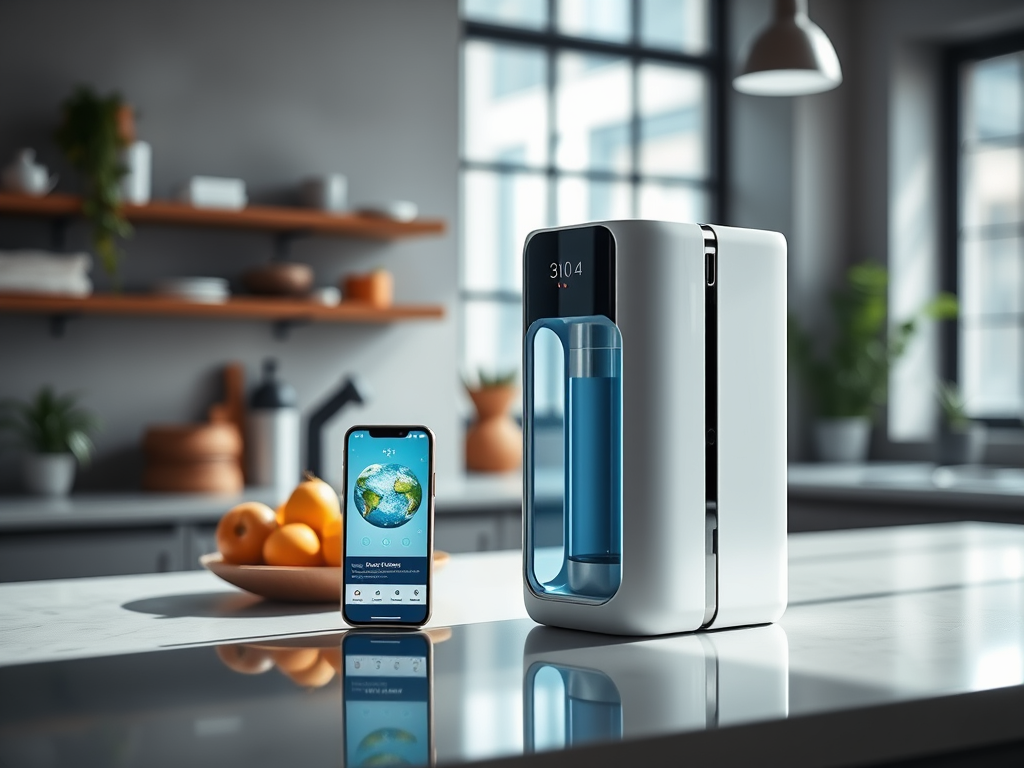
The target market for the Smart Water Filtration System in China includes urban middle-class families and young professionals aged 25-45 who are health-conscious and interested in smart home technologies. These consumers are often residing in areas with varying water quality and are looking for reliable, user-friendly solutions to ensure their drinking water is safe and healthy.
#### 2. Clarify the Brand’s Unique Selling Point (USP)
The USP of the Smart Water Filtration System is its integration of AI technology to monitor and purify water based on real-time data, ensuring the most effective filtration process tailored to the specific contaminants present in the water. It also features an easy-to-use app that alerts users to maintenance needs and provides water quality reports.
#### 3. List the Core Values and Beliefs the Brand Stands for
– **Innovation:** Continuously pushing the boundaries of water purification technology.
– **Health and Safety:** Committed to providing the safest and healthiest drinking water.
– **Sustainability:** Using eco-friendly materials and processes to minimize environmental impact.
– **User-Centric Design:** Making advanced technology accessible and easy to use for everyone.
#### 4. Design Brand Logo, Colour Scheme, Fonts and Other Visual Elements
**Logo:** A stylized drop of water with a circuit pattern inside, symbolizing smart technology. The brand name “AquaSmart” is placed beside the logo.
**Colour Scheme:** Blue (symbolizing water and trust) and green (representing health and sustainability).
**Fonts:** Clean and modern sans-serif fonts such as Helvetica for primary text and Roboto for secondary text.
**Other Visual Elements:** Use of tech-inspired graphics and icons that align with the smart technology theme.
#### 5. Brand’s Slogan
“Purify Smarter, Live Healthier”
#### 6. Develop Strategies to Promote the Brand
– **Social Media:** Utilize platforms like WeChat, Weibo, and Douyin (TikTok) to reach a broad audience. Engage users with educational content about water safety and interactive features like water quality quizzes.
– **Marketing Campaigns:** Launch a campaign focused on the benefits of smart water purification. Collaborate with influencers who can showcase the product in real-life settings.
– **Advertising:** Target ads in urban areas on digital billboards and within transit systems like subways. Use TV commercials during peak times to reach families.
– **Events and Partnerships:** Participate in health and technology expos to demonstrate the product. Partner with health clubs and tech stores for product displays and promotions.
#### 7. Design Every Touchpoint Where Your Customers Interact with Your Brand
– **Website:** A user-friendly site with clear product information, testimonials, and a FAQ section. Include a live chat for immediate customer assistance.
– **Packaging:** Eco-friendly and informative packaging that highlights the smart features and health benefits, with QR codes linking to installation and usage guides.
– **Customer Service:** A dedicated customer support team available via phone, email, and live chat, trained to handle queries about the smart system.
– **Retail Outlets:** Well-designed in-store displays that allow customers to see and interact with the product. Training for sales staff to explain the technology and benefits.
#### 8. How Many Staff Are Needed to Execute This Plan?
Approximately 50 staff members would be needed:
– 10 for marketing and social media
– 5 for event management and partnerships
– 10 for customer service
– 10 for sales and retail management
– 5 for product development and innovation
– 10 for operations and logistics
#### 9. How Much Will It Cost to Implement This Plan?
The estimated cost to implement this plan would be around $2 million over the first year, covering:
– Marketing and advertising: $800,000
– Staff salaries: $600,000
– Product development and materials: $400,000
– Events and partnerships: $200,000
#### 10. What Goals Can This Plan Achieve?
– Increase brand awareness by 50% within the first year.
– Achieve a 30% market share in the smart water filtration category in key urban areas.
– Maintain a customer satisfaction rate above 90%.
– Expand the product line based on consumer feedback and technological advancements.
#### 11. Please List in Detail Each Step of Executing This Plan
1. **Market Research:** Conduct surveys and focus groups to better understand the target demographic and their needs.
2. **Product Development:** Finalize the design and features of the Smart Water Filtration System based on market feedback.
3. **Branding and Design:** Develop the logo, color scheme, and all visual elements. Create the brand slogan.
4. **Website Development:** Build the brand website, focusing on user experience and SEO.
5. **Social Media Setup:** Establish profiles on relevant platforms and start content creation.
6. **Staff Recruitment and Training:** Hire and train the necessary staff for all departments.
7. **Marketing Campaign Launch:** Roll out ads, social media campaigns, and influencer partnerships.
8. **Retail and Event Planning:** Set up in-store displays and plan participation in expos and other events.
9. **Customer Service Preparation:** Train customer service team and set up support channels.
10. **Product Launch:** Officially release the product to the market with a launch event.
11. **Ongoing Evaluation and Adjustment:** Regularly review marketing effectiveness, customer feedback, and sales data to adjust strategies as needed.
#### 12. What Difficulties Will Be Encountered in Implementing This Plan? How Could They Solve These Difficulties?
**Difficulties:**
– **Market Competition:** The smart home market is highly competitive.
– **Technology Adoption:** Some consumers might be hesitant to adopt new technologies.
– **Regulatory Compliance:** Meeting various standards and regulations in China can be challenging.
**Solutions:**
– **Market Competition:** Differentiate the product by emphasizing unique features and superior technology. Offer competitive pricing and bundle deals to attract customers.
– **Technology Adoption:** Provide easy-to-understand tutorials and guides. Offer trial periods or demos to reduce the perceived risk for new users.
– **Regulatory Compliance:** Hire a regulatory consultant who is familiar with local water purification standards and can ensure all products meet these requirements from the design phase.

Leave a Reply