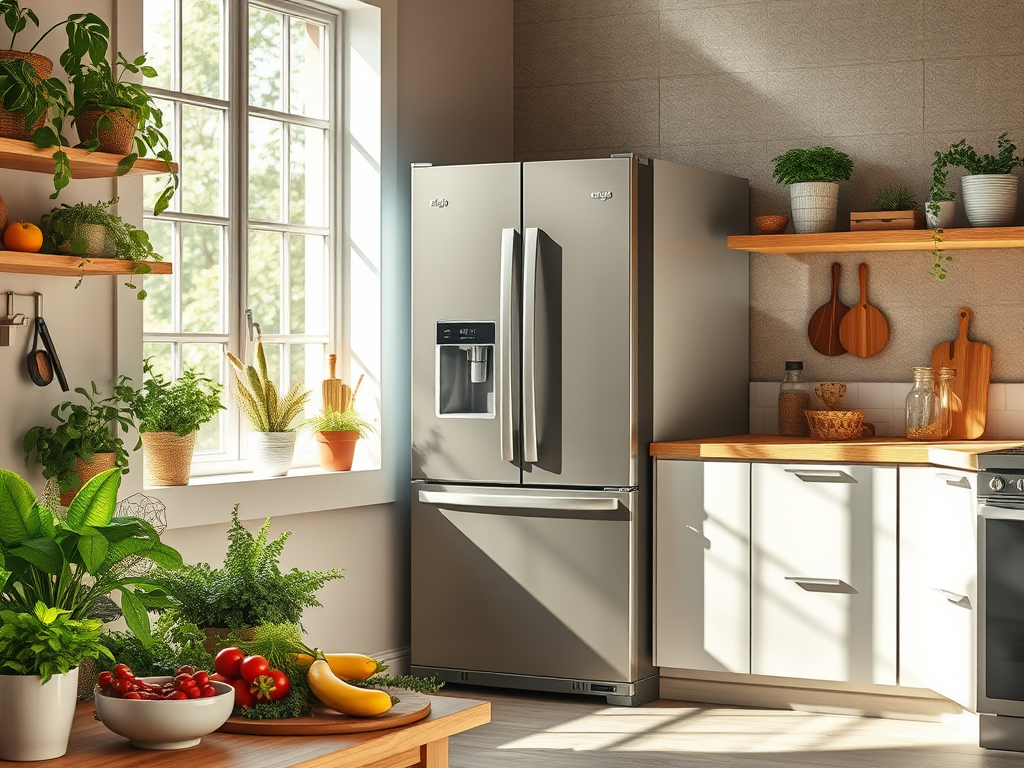
“GreenWave,” which produces and sells eco-friendly kitchen appliances. Below is a comprehensive advertising plan for GreenWave:
### 1. Market Analysis
**Target Market Analysis:**
– **Demographics:** Primarily adults aged 25-45, interested in sustainability.
– **Geographical Location:** Urban and suburban areas in the U.S., with a focus on environmentally conscious cities like San Francisco, New York, and Seattle.
**Competitor Analysis:**
– **Major Competitors:** Brands like Bosch and LG, which offer eco-friendly appliances but are less aggressive in green marketing.
– **Competitive Advantage:** GreenWave’s focus on innovative designs and superior energy efficiency.
**Consumer Needs and Behaviour:**
– **Needs:** High-quality, eco-friendly products that contribute to sustainability efforts.
– **Behaviour:** Increasing willingness to pay more for green products; frequent use of online resources to research products before purchasing.
### 2. Advertising Goals
– **Increase Brand Awareness:** Aim to reach 10 million impressions within 6 months.
– **Increase Sales:** Target a 20% sales increase from the previous year.
– **Promote New Product Launch:** Introduce a new line of energy-efficient refrigerators, with a goal of selling 5,000 units in the first three months.
### 3. Target Audience Characteristics
– **Age:** 25-45
– **Gender:** Both, with a slight skew towards women
– **Geographical Location:** US urban and suburban areas
– **Interests:** Environmental sustainability, healthy living, technology
– **Purchasing Habits:** Research-driven, value quality and sustainability
– **Media Usage:** High usage of social media, especially Instagram and YouTube; frequent online shopping and research
### 4. Advertising Theme and Message
**Theme:** “GreenWave – Cooking with Conscience”
**Message:** Highlight the eco-friendliness and energy efficiency of GreenWave’s appliances, emphasizing their role in sustainable living.
**Creative Concept and Visual Design:** Use vibrant, nature-inspired visuals with clear, impactful messages about sustainability. Show the appliances in use, in modern, eco-friendly kitchens.
**Media Format and Platform Selection:**
– **TV:** National commercials on environmentally themed shows on networks like PBS and Discovery.
– **Social Media:** Targeted ads on Instagram and YouTube, influencer partnerships.
– **Print Media:** Feature articles in sustainability magazines like “Green Living” and “Eco Home.”
### 5. Budget Allocation
– **Total Budget:** $2 million
– **Advertising Design:** $500,000
– **Media Buying:** $1 million
– **Promotional Activities:** $500,000 (includes influencer partnerships and product launch events)
### 6. Plan Execution Steps
1. **Research and Development:** Finalize advertising design and messages.
2. **Media Buying:** Secure spots on chosen platforms and finalize influencer partnerships.
3. **Content Creation:** Produce all necessary materials, including video, print, and digital content.
4. **Pre-Launch:** Begin social media teaser campaigns two weeks before the main launch.
5. **Launch:** Execute a coordinated rollout including TV commercials, social media ads, and influencer content.
6. **Post-Launch:** Monitor campaign performance and adjust media buys as necessary.
### 7. Effect Evaluation Indicators
– **Click-Through Rate (CTR):** Measure effectiveness of online ads.
– **Conversion Rate:** Track sales directly attributable to ads.
– **Brand Awareness Survey:** Conduct pre- and post-campaign surveys to measure change in brand awareness.
– **Data Collection and Analysis:** Use Google Analytics for website traffic and sales data, and a third-party firm for survey analysis.
### 8. Potential Problems and Solutions
**Problem 1:** Limited brand recognition could hamper the impact of the campaign.
**Solution:** Prioritize partnerships with influencers who have a significant following in the sustainability sector to build trust and recognition.
**Problem 2:** High competition for ad space in targeted media.
**Solution:** Start media buying early and use a mix of direct buys and programmatic advertising to secure optimal placements.
**Problem 3:** Budget constraints might limit the reach of the campaign.
**Solution:** Focus on digital platforms with high engagement rates and consider phased launches to manage costs effectively.
By following this detailed advertising plan, GreenWave can effectively reach and engage its target audience, driving increased brand awareness and sales.

Leave a Reply