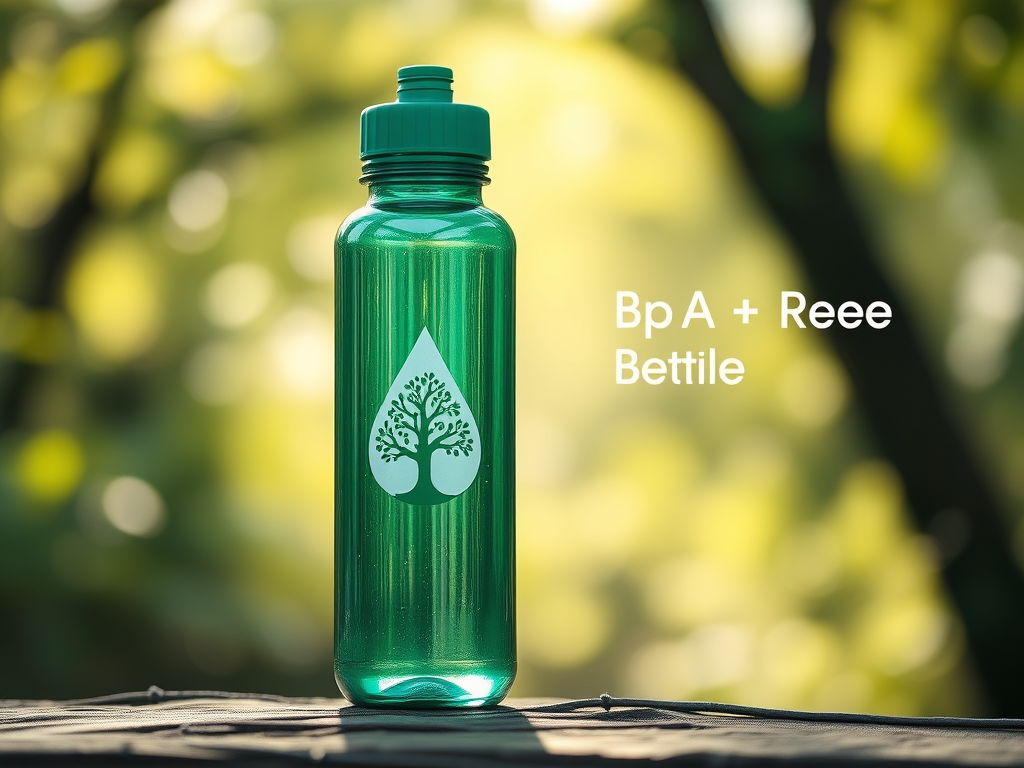
Eco-friendly reusable water bottle targeted for the U.S. market.
—
**1. Target Market of this Brand**
The target market for this eco-friendly reusable water bottle is primarily environmentally conscious consumers aged 18-35 years old in the United States. This demographic is typically well-educated, health-conscious, and active on social media, with a strong interest in sustainable living.
—
**2. Clarify the Brand’s Unique Selling Point (USP)**
The unique selling point of this brand is its commitment to sustainability through the use of 100% recycled materials in the production of its water bottles. Additionally, for every bottle sold, the company pledges to plant a tree, enhancing its environmental impact and appeal to eco-minded consumers.
—
**3. List the Core Values and Beliefs the Brand Stands For**
– **Sustainability**: Committed to reducing waste and promoting sustainable practices.
– **Health**: Encourages hydration with a safe, BPA-free product.
– **Community**: Engages with the community through environmental initiatives.
– **Transparency**: Open about material sourcing and manufacturing processes.
—
**4. Design Brand Logo, Color Scheme, Fonts, and Other Visual Elements**
– **Logo**: A simple, modern design featuring a tree silhouette inside a water drop, symbolizing the brand’s environmental commitment.
– **Color Scheme**: Green (for sustainability) and blue (for water) with white accents for a clean look.
– **Fonts**: Use of a clean, sans-serif font like Helvetica for modern and professional appeal.
– **Other Visual Elements**: Imagery of nature, clean lines, and minimalistic design to emphasize eco-friendliness.
—
**5. Brand’s Slogan**
“Stay Hydrated, Save the Planet”
—
**6. Develop Strategies to Promote the Brand**
– **Social Media**: Active presence on Instagram, Twitter, and TikTok, utilizing influencer partnerships to reach a broader audience.
– **Marketing Campaigns**: Launch campaigns around Earth Day and World Water Day, emphasizing the ecological benefits of using the product.
– **Advertising**: Utilize online ads on platforms like Google and eco-friendly blogs, as well as targeted ads on social media.
– **PR and Partnerships**: Collaborate with environmental organizations for mutual promotions and events.
—
**7. Design Every Touchpoint Where Your Customers Interact with Your Brand**
– **Website**: User-friendly, informative, with a focus on the brand’s mission and easy online purchasing.
– **Packaging**: Eco-friendly and minimalistic, reinforcing the brand’s commitment to the environment.
– **Customer Service**: Responsive, knowledgeable, and friendly service to enhance customer trust and loyalty.
– **Retail**: Strategic placement in eco-friendly and health-focused stores, with attractive and informative in-store displays.
—
**8. How Many Staff Are Needed to Execute This Plan?**
– Marketing Team: 4-5 members (including social media, content, and campaign specialists)
– Design Team: 2-3 members (for ongoing design needs and brand consistency)
– Customer Service: 3 members
– Sales and Distribution: 2 members
– Management and Admin: 2 members
Total: 13-15 staff members
—
**9. How Much Will it Cost to Implement This Plan?**
– Marketing and Advertising: $200,000 – $300,000 per year
– Salaries: Approximately $800,000 per year
– Product Development and Manufacturing: $500,000 initial investment, with ongoing costs depending on sales volume
– Website and IT Infrastructure: $50,000 initial setup, $10,000/year maintenance
Total Initial Cost: Approximately $1.55 million to $1.65 million
Annual Operating Cost: Approximately $1 million to $1.1 million
—
**10. What Goals Can This Plan Achieve?**
– Increase brand awareness and recognition among target consumers.
– Achieve sales targets, aiming for a 20% year-over-year growth.
– Establish the brand as a leader in the eco-friendly product market.
– Build a loyal customer base committed to sustainable practices.
—
**11. Please List in Detail Each Step of Executing This Plan**
1. **Market Research**: Conduct thorough research to validate the target demographic and refine the brand’s USP.
2. **Brand Development**: Finalize logo, color scheme, and other visual elements. Develop the brand’s slogan.
3. **Product Development**: Finalize the design and materials of the water bottle, ensuring they align with the brand’s values.
4. **Website Development**: Build an engaging and informative website with an e-commerce platform.
5. **Staff Hiring**: Recruit necessary team members across various functions.
6. **Launch Marketing Campaign**: Introduce the brand through a multi-channel campaign focused on the USP and core values.
7. **Product Distribution**: Establish distribution channels and begin retail placement.
8. **Ongoing Marketing and PR**: Maintain social media engagement, continue influencer partnerships, and participate in eco-friendly events.
9. **Sales Monitoring and Adjustments**: Track sales and customer feedback, adjusting marketing strategies as needed.
10. **Evaluation and Scaling**: Evaluate the first year’s performance against set goals and plan for potential expansion or new product lines.
—
**12. What Difficulties Will Be Encountered in Implementing This Plan? How Could They Solve These Difficulties?**
– **Market Saturation**: The eco-friendly market is crowded. Differentiation can be achieved by focusing on the brand’s unique commitment to planting trees and using 100% recycled materials.
– **High Initial Costs**: Secure funding through investors interested in sustainable businesses or apply for eco-friendly business grants.
– **Supply Chain Management**: Ensure sustainable sourcing by developing close relationships with suppliers and regularly auditing their practices.
– **Consumer Education**: Many might not understand the full impact of using reusable bottles. Educate consumers through informative campaigns and partnerships with environmental organizations.
—
This comprehensive plan outlines a strategic approach to launching an eco-friendly reusable water bottle brand in the U.S. market, focusing on sustainability and community engagement.

Leave a Reply