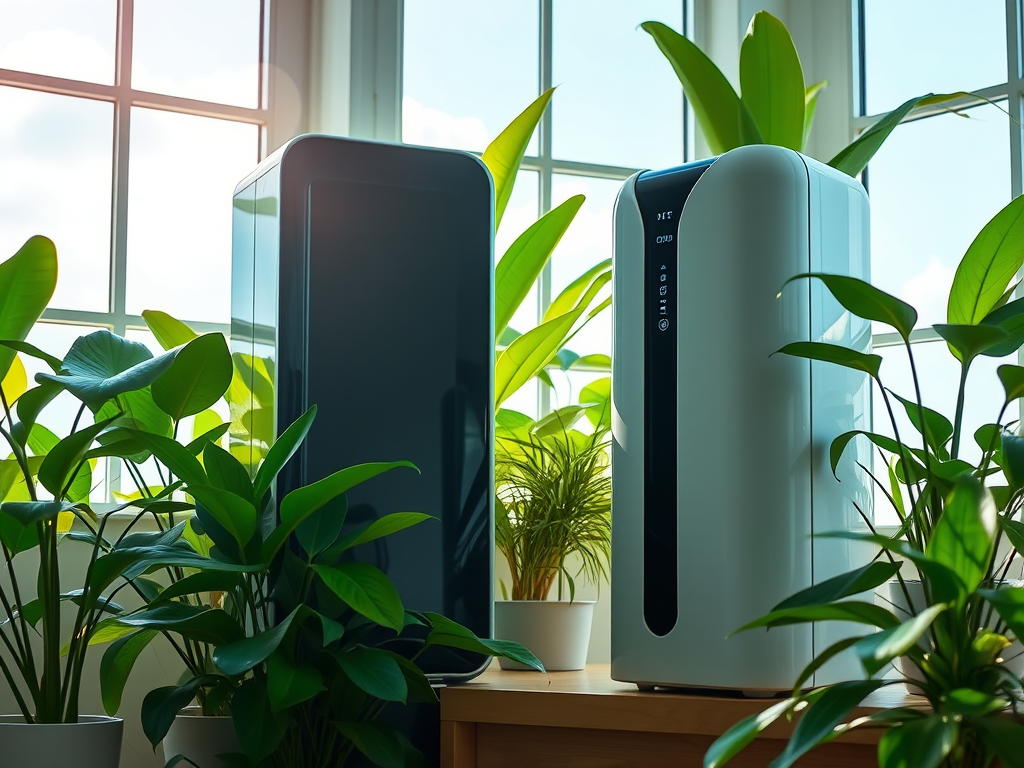
**Brand Plan for “EcoBreeze” – An Eco-friendly Air Purifier**
—
**1. Target Market of this Brand**
The primary target market for EcoBreeze is environmentally conscious consumers in the U.S. market, specifically in urban areas like New York, Los Angeles, and Chicago, where air quality is a significant concern. This demographic typically ranges from ages 25-45, is tech-savvy, and has a household income of $60,000 and above.
—
**2. Clarify the Brand’s Unique Selling Point (USP)**
EcoBreeze’s USP is its ability to purify the air without generating any waste or using any harmful chemicals. Unlike traditional air purifiers, EcoBreeze uses advanced, patented technology that ionizes and neutralizes airborne pollutants, ensuring clean air and a sustainable approach.
—
**3. List the Core Values and Beliefs the Brand Stands For**
– Sustainability: Committed to environmental preservation and reducing ecological footprints.
– Innovation: Continuously seeking new ways to improve air quality and reduce environmental impact.
– Health: Prioritizing the well-being of consumers through clean, safe air.
– Integrity: Operating transparently and ethically in all business practices.
—
**4. Design Brand Logo, Colour Scheme, Fonts, and Other Visual Elements**
– **Logo:** A circular emblem featuring a stylized, green leaf integrated with a swirling breeze pattern, symbolizing the clean air flow and natural essence.
– **Color Scheme:** Primary colors are green (Pantone 368 C) for nature and sustainability, and a soft blue (Pantone 2915 C) to evoke a sense of clean air.
– **Fonts:** Use of ‘Arial Rounded MT Bold’ for all branding materials to convey a clean, modern look that is easily readable and user-friendly.
– **Other Visual Elements:** Imagery should feature clear skies, lush greenery, and peaceful indoor settings to reinforce the message of purity and calm.
—
**5. Brand’s Slogan**
“Breathe Better, Live Better”
—
**6. Develop Strategies to Promote the Brand**
– **Social Media:** Launch campaigns on platforms like Instagram, Facebook, and X (Twitter), focusing on environmental impact stories, user testimonials, and educational content about air quality.
– **Marketing Campaigns:** Partner with environmental organizations and influencers to co-host events focused on air quality improvement and sustainability, such as eco-workshops and clean air rallies.
– **Advertising:** Utilize targeted online ads, search engine marketing, and eco-conscious publications. Launch a TV ad campaign featuring real stories of improved health and well-being thanks to EcoBreeze.
– **Retail and Online Presence:** Establish partnerships with leading retail stores and create an appealing online store with easy navigation and informative product descriptions.
—
**7. Design Every Touchpoint Where Your Customers Interact with Your Brand**
– **Website:** User-friendly with clear information on product features, benefits, and testimonials. Include a blog section with articles on air quality and sustainability.
– **Packaging:** Use eco-friendly, recyclable materials with informative labels that detail the product’s environmental benefits and usage instructions.
– **Customer Service:** Provide responsive customer support through multiple channels (phone, email, live chat) with well-trained staff knowledgeable in both the product and environmental issues.
– **Physical Stores:** Create an engaging in-store experience with demo stations and staff ready to provide detailed product information and answer questions.
—
**8. How Many Staff Are Needed to Execute This Plan?**
– Marketing Team: 5 (including social media coordinator, content creator, campaign managers)
– Sales Team: 4 (including online and retail sales specialists)
– Customer Service: 3
– Product Development: 2
– Operations and Logistics: 2
– Total Staff: 16
—
**9. How Much Will It Cost to Implement This Plan?**
– Marketing and Advertising: $500,000
– Staff Salaries: $800,000
– Product Development and R&D: $300,000
– Operations and Logistics: $200,000
– Miscellaneous (events, partnerships): $200,000
– Total Cost: $2,000,000
—
**10. What Goals Can This Plan Achieve?**
– Increase brand awareness by 50% within the first year.
– Achieve a 30% market share in eco-friendly air purifiers in targeted U.S. cities within two years.
– Reduce air purifier waste by 100,000 units annually compared to traditional models.
– Generate $5 million in revenue within the first year of operation.
—
**11. Please List in Detail Each Step of Executing This Plan**
– **Step 1:** Finalize product design and secure patents (3 months).
– **Step 2:** Develop and test the marketing plan, including social media and ad content (2 months).
– **Step 3:** Hire and train staff, focusing on their understanding of EcoBreeze’s mission and product knowledge (1 month).
– **Step 4:** Launch the website and online store, ensuring all digital elements reflect the brand’s ethos and are user-friendly (1 month).
– **Step 5:** Initiate marketing and advertising campaigns across selected platforms, monitoring engagement and feedback (ongoing from month 4).
– **Step 6:** Establish partnerships with retailers and environmental organizations (months 5-6).
– **Step 7:** Begin product sales, both in-store and online, and start collecting customer feedback for product and service improvements (month 7 onwards).
– **Step 8:** Analyze sales data and campaign effectiveness, adjusting strategies as necessary (ongoing after month 7).
– **Step 9:** Host the first major event or campaign related to air quality and sustainability to boost brand visibility (month 12).
—
**12. What Difficulties Will Be Encountered in Implementing This Plan? How Could They Solve These Difficulties?**
– **Difficulty:** Convincing consumers to pay a potentially higher price for EcoBreeze compared to traditional air purifiers.
**Solution:** Emphasize the long-term savings in terms of health and environmental benefits through educational marketing campaigns and transparent cost-comparison resources.
– **Difficulty:** Navigating regulatory environments for eco-friendly products.
**Solution:** Engage with legal experts and environmental consultants early in the planning process to ensure compliance and leverage government incentives for green products.
– **Difficulty:** Scaling production while maintaining high quality and sustainability standards.
**Solution:** Partner with manufacturers who are committed to sustainable practices and implement rigorous quality control checks throughout the production process.
– **Difficulty:** Achieving significant market penetration in competitive urban markets.
**Solution:** Focus on niche marketing through targeted advertising and leverage testimonials and partnerships with influential local figures to build trust and community support.

Leave a Reply