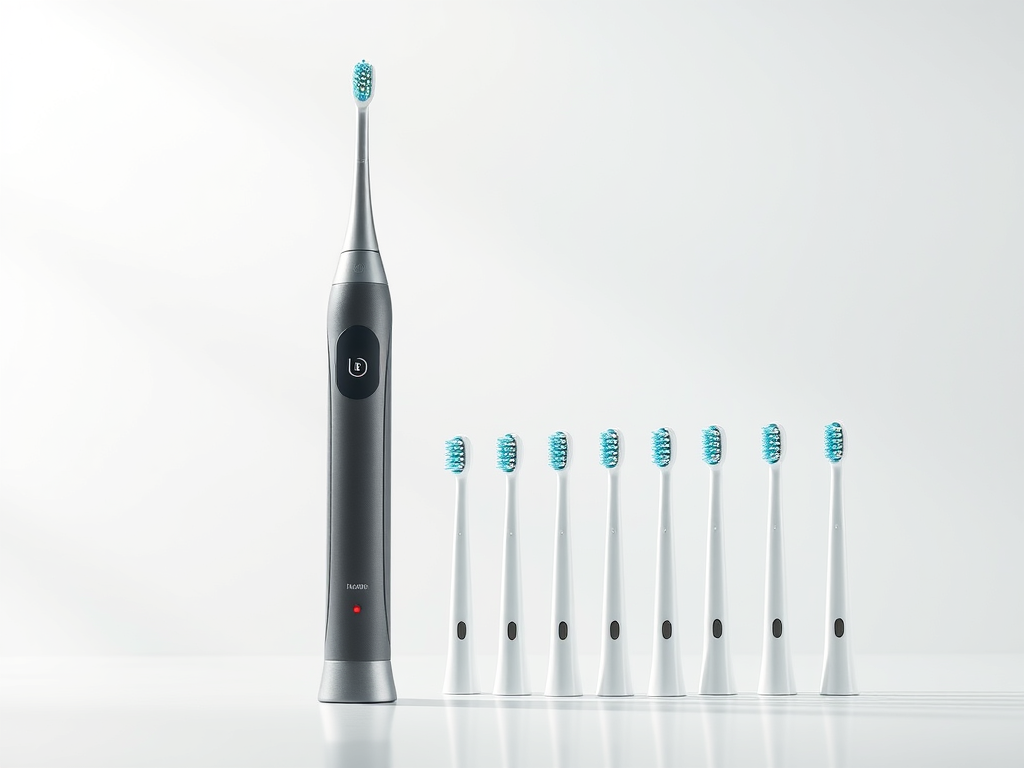
Electric Toothbrush
#### 1. The function of the product
An electric toothbrush is designed to clean teeth more effectively and with less effort than a manual toothbrush. It uses oscillating, rotating, or sonic technology to brush teeth, helping to remove plaque and improve oral hygiene.
#### 2. The production process of this product from the raw material to the finished products
**Raw Materials:**
– Plastic (Polypropylene, nylon for bristles)
– Metal (Stainless steel for internal components)
– Batteries or rechargeable battery (Lithium-ion)
– Electronic components (Motor, circuit board)
– Rubber or silicone (for grip and seals)
**Production Process:**
1. **Molding of Plastic Parts:** Polypropylene granules are heated and injected into molds to form the body and handle of the toothbrush.
2. **Bristle Implantation:** Nylon bristles are cut and implanted into the head of the toothbrush.
3. **Assembly of Internal Components:** The stainless steel shaft is attached to the motor, which is soldered onto the circuit board.
4. **Battery Insertion:** Batteries are inserted into the handle, or a rechargeable lithium-ion battery compartment is assembled.
5. **Integration of Electronics:** The motor and circuit board are integrated into the handle, connecting to the power source.
6. **Final Assembly:** The brush head is attached to the handle, and any additional features like pressure sensors or timers are installed.
7. **Quality Control and Testing:** Each toothbrush is tested for functionality, and checks are made for any defects.
8. **Packaging:** The completed toothbrushes are packaged in individual boxes, ready for distribution.
#### 3. The cost of the production of the product
– **Raw Materials:** $2.50 USD (plastic, metal, batteries, electronics)
– **Machinery:** $0.50 USD per unit (depreciation of molding and assembly machines)
– **Labor Cost:** $1.00 USD per unit (assembly line workers, quality inspectors)
– **Distribution Cost:** $0.50 USD per unit
**Total Production Cost:** $4.50 USD per unit
**Job Positions Needed:**
– Molding Machine Operators
– Assembly Line Workers
– Quality Inspectors
– Packaging Staff
#### 4. How long does it take for this product to be produced?
The production time from raw material to finished product is approximately 2 days.
#### 5. List three famous companies that manufacture this product
– Philips Sonicare
– Oral-B (Procter & Gamble)
– Colgate E1
#### 6. Which countries produce this product usually?
– China
– United States
– Germany
#### 7. New Design for the Product
**New Design: SmartWave Electric Toothbrush**
– **Design and Features:**
– **Ergonomic Handle:** A sleek, curved design that provides a comfortable grip, made from soft-touch rubber.
– **Interchangeable Heads:** A variety of brush heads can be used for different oral care needs, ranging from deep clean to sensitive teeth.
– **Smart Connectivity:** Integrates with a mobile app via Bluetooth, offering real-time feedback on brushing habits, technique, and reminders for replacement heads.
– **Pressure Sensor:** Warns users if they are brushing too hard, helping prevent gum damage.
– **Sonic Technology:** Enhanced sonic vibrations for better cleaning between teeth and along the gum line.
– **Long-lasting Battery:** A rechargeable lithium-ion battery with up to 6 weeks of battery life on a single charge.
– **Waterproof and Durable:** IPX7 waterproof rating for use in the shower, with a durable build to withstand drops.
– **Aesthetic and Colors:**
– Available in multiple colors including midnight blue, coral pink, and classic white, appealing to a broad demographic.
#### 8. Why customers or clients would like to buy the new design
Customers would prefer the SmartWave Electric Toothbrush over the original due to:
– **Superior Technology:** The smart connectivity and real-time feedback improve brushing efficacy and oral health management.
– **Customization:** Interchangeable heads cater to individual needs, enhancing user satisfaction.
– **Enhanced User Experience:** The ergonomic design and long-lasting battery offer more comfort and convenience.
– **Durability and Style:** The waterproof feature and stylish color options add to the product’s appeal and longevity.
#### 9. Total cost of the new design
– **Raw Materials:** $3.00 USD (upgraded plastics, metals, electronics, and advanced battery technology)
– **Machinery:** $0.75 USD per unit (due to added complexity in molding and assembly for new features)
– **Labor Cost:** $1.50 USD per unit (additional labor for new features installation and testing)
– **Distribution Cost:** $0.75 USD per unit (slightly higher due to premium packaging and larger product size)
**Total Production Cost:** $6.00 USD per unit
**Production Process for New Design:**
1. **Molding of Advanced Plastic Parts:** Use high-quality polypropylene and rubberized materials for ergonomic design.
2. **Custom Bristle Assembly:** Prepare and attach various types of brush heads.
3. **Advanced Electronics Assembly:** Solder and assemble smart components like Bluetooth modules, pressure sensors.
4. **Battery Integration:** Install upgraded lithium-ion battery.
5. **System Integration:** Connect and test all electronic systems.
6. **Final Assembly:** Attach the handle and heads, ensuring all features work as intended.
7. **Extensive Testing:** Test waterproofing, connectivity, and functionality.
8. **Premium Packaging:** Package in high-quality, eco-friendly materials.
#### 10. Revenue Forecast of the New Design
The new SmartWave Electric Toothbrush, with its advanced features and stylish design, is forecasted to increase revenue by 20% compared to the original model due to a higher price point justified by the added value. The original model sells for $50 USD, while the new design is expected to retail for $70 USD.
– **Original Model Annual Revenue:** 1 million units * $50 = $50 million USD
– **New Design Annual Revenue Forecast:** 1 million units * $70 = $70 million USD
This represents a significant potential for increased profitability, driven by the enhanced features and customer appeal of the SmartWave model.

Leave a Reply